
Rigging Equipment Rental in Rockford, IL: Supporting Safe and Efficient Industrial Lifting
Industrial lifting and material handling operations require the right equipment, experienced personnel, and careful planning. Whether a facility is installing heavy machinery, relocating production equipment, or completing a large-scale construction project, selecting appropriate rigging equipment is essential for maintaining safety and operational efficiency. For businesses seeking rigging equipment rental in Rockford, IL, access to dependable equipment and professional rigging support can help reduce downtime, manage project costs, and improve lifting performance.
At Midwest Crane & Rigging, we deliver safe, reliable, and professional crane rental and rigging solutions for a wide range of industries. By supporting demanding lifting and material-handling requirements, we help businesses approach complex projects with greater confidence and a focus on operational safety.
Why Rigging Equipment Is Essential for Industrial Projects
Rigging equipment plays a critical role in lifting, securing, positioning, and moving heavy loads. Industrial machinery, structural components, manufacturing equipment, and oversized materials often require specialized lifting arrangements that cannot be handled safely with standard material-handling tools.
Common rigging equipment includes:
- Wire rope slings and synthetic slings: Used to connect lifting equipment to loads, with selection based on load weight, configuration, environmental conditions, and rated capacity.
- Shackles and connecting hardware: Provide secure connection points between slings, lifting devices, and designated attachment points.
- Spreader bars and lifting beams: Help distribute loads and maintain appropriate sling angles or lifting geometry when handling large or sensitive components.
- Chain hoists and lever hoists: Support controlled lifting, lowering, and positioning in suitable applications.
- Rigging hardware and accessories: May include hooks, turnbuckles, and other components selected according to the lifting plan.
Each component must be suitable for the intended application and compatible with the rest of the lifting system. Equipment condition, rated capacity, inspection status, and proper configuration are essential considerations before any lift begins.
Benefits of Rigging Equipment Rental in Rockford, IL
Purchasing specialized rigging equipment may not be practical for every business, especially when lifting requirements vary between projects. Renting equipment allows companies to access the tools they need without maintaining a large inventory of specialized equipment.
- Access to Application-Specific Equipment
Different lifting operations require different rigging configurations. Moving a machine tool inside a manufacturing facility presents different challenges from lifting structural steel at a construction site. Rental services can help businesses obtain equipment appropriate for the load, working environment, and planned lifting method.
Selecting equipment for the specific application helps prevent mismatches between load requirements and equipment capabilities.
- Better Control Over Project Costs
Owning rigging equipment involves purchase costs, storage, inspection, maintenance, and inventory management. For occasional or specialized lifting projects, rental can reduce the need for long-term equipment investment.
Companies can align rental periods with project schedules and avoid purchasing equipment that may remain unused for extended periods. The overall cost should still account for delivery, setup, operator or rigging services, rental duration, and any additional project requirements.
- Reduced Equipment Storage and Maintenance Burdens
Specialized rigging components require appropriate storage, routine inspection, and maintenance in accordance with applicable requirements and manufacturer recommendations. Renting can reduce the amount of equipment a business must store and manage internally.
However, rental equipment must still be inspected before use, and damaged, defective, or improperly identified components must be removed from service.
- Support for Changing Project Requirements
Industrial projects can vary significantly in load dimensions, weight, lifting points, available clearance, and site access. A rental-based approach gives project teams flexibility to select equipment for different lifting scenarios rather than relying on a limited collection of owned tools.
For businesses managing machinery installations, facility expansions, maintenance shutdowns, and equipment relocations, this flexibility can support more efficient project planning.
Choosing the Right Rigging Equipment for Your Application
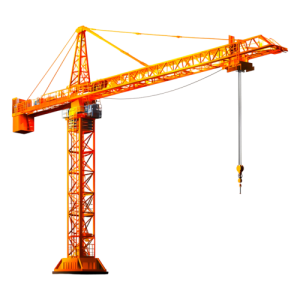 Finding suitable rigging equipment rental in Rockford, IL, involves more than identifying the required hardware. The equipment must be selected according to the characteristics of the load, the lifting method, and the conditions at the job site.
Evaluate Load Weight and Center of Gravity
The total load weight must be established before selecting rigging components. Project teams should also evaluate the load’s center of gravity, dimensions, lifting points, and potential for shifting during movement.
An unevenly distributed load can place greater forces on individual sling legs or connection points than anticipated. Appropriate load calculations and rigging configurations help maintain stability throughout the lift.
Verify Working Load Limits
Every rigging component must have an adequate rated capacity for its intended use. The working load limit can vary depending on sling configuration, hitch type, sling angle, and other application-specific factors.
The capacity of the complete lifting arrangement is governed by its limitations and the applicable configuration requirements, not simply by the highest-rated component. Equipment should never be overloaded or used outside its specified conditions.
Consider Site Conditions and Clearance
Restricted headroom, narrow access routes, uneven ground, overhead obstructions, and nearby equipment can influence equipment selection. Indoor machinery installations may require compact lifting arrangements, while outdoor projects may involve additional considerations related to ground conditions, weather, and crane positioning.
Evaluating these factors before equipment arrives helps reduce delays and supports safer execution.
Confirm Equipment Condition and Compatibility
Before use, rigging equipment should be checked for visible damage, wear, deformation, missing identification, and other defects. Slings, shackles, hooks, and lifting devices must be compatible and used according to their applicable ratings and instructions.
Equipment that fails inspection must not be used until appropriately evaluated and cleared for service.
The Role of Professional Rigging Services
Even when the correct equipment is available, complex lifting operations require technical knowledge and coordinated execution. Professional rigging support can help businesses plan lifts, evaluate load characteristics, coordinate equipment requirements, and address site-specific challenges.
A properly developed lifting plan may include load calculations, rigging configuration, lifting-point verification, crane capacity considerations, exclusion zones, communication procedures, and contingency measures. More complex or higher-risk lifts may require engineered lift plans and additional controls based on applicable regulations and project conditions.
Professional support is particularly valuable when handling heavy machinery, positioning industrial components, moving equipment through confined spaces, or coordinating multiple lifting devices.
At Midwest Crane & Rigging, our focus on safe, reliable, and professional crane rental and rigging solutions supports a wide range of industrial and commercial lifting needs. Working with an experienced provider can help project teams coordinate equipment selection and lifting requirements more effectively.
Industries That Benefit From Rigging Equipment Rental
Rigging equipment rental can support a variety of industries throughout Rockford and the surrounding region.
- Manufacturing: Equipment installation, machinery relocation, production-line changes, and maintenance projects.
- Construction: Structural steel placement, building component installation, and handling of heavy construction materials.
- Industrial maintenance: Planned shutdowns, equipment replacement, repairs, and component removal.
- Warehousing and distribution: Movement and positioning of oversized equipment and heavy materials.
- Energy and utilities: Handling of industrial components and equipment during installation or maintenance, subject to project-specific requirements.
Each industry has unique lifting demands. Matching equipment and services to the application helps project teams account for load characteristics, site restrictions, scheduling requirements, and applicable safety standards.
Safety Considerations for Rigging and Lifting Operations
Safety should remain a priority throughout every lifting operation, from initial planning to final load placement. Improper rigging practices, unsuitable equipment, and inadequate communication can contribute to dropped loads, equipment damage, serious injuries, and costly operational interruptions.
Important precautions include:
- Inspect equipment before use. Follow applicable inspection requirements and manufacturer instructions, and remove defective equipment from service.
- Verify load information. Confirm load weight, center of gravity, lifting points, and other relevant characteristics.
- Use qualified personnel. Ensure workers have the training and qualifications required for their assigned lifting and rigging duties.
- Establish a controlled lifting area. Keep unauthorized personnel clear of suspended loads and other hazardous areas.
- Maintain clear communication. Establish appropriate signaling procedures and identify the person responsible for directing the lift.
- Follow applicable standards and regulations. Use equipment and procedures that meet relevant OSHA requirements, manufacturer specifications, and site safety rules.
These measures help create a structured lifting process and reduce preventable risks during industrial operations.
How to Select a Rigging Equipment Rental Provider in Rockford, IL
Choosing a rental provider involves evaluating more than equipment availability. Businesses should consider the provider’s experience, equipment suitability, service capabilities, and ability to support the project’s schedule and technical requirements.
Before committing to a rental, ask whether the provider can:
- Supply equipment appropriate for the required load and lifting configuration.
- Provide clear information about equipment ratings, identification, and inspection status.
- Help coordinate crane rental and rigging requirements when the project calls for both.
- Explain delivery arrangements, rental periods, and associated costs.
- Support project planning and communicate equipment limitations or additional requirements.
It is also important to clarify whether the rental includes equipment only or additional services such as rigging personnel, lift planning, transportation, or crane operation. Confirming these details early helps prevent misunderstandings and scheduling issues.
Reliable Rigging Solutions for Rockford Businesses
Successful industrial lifting depends on appropriate equipment, sound planning, and consistent attention to safety. For companies seeking rigging equipment rental in Rockford, IL, a well-matched rental solution can provide access to specialized lifting components while helping manage equipment costs and changing project requirements.
Midwest Crane & Rigging delivers professional crane rental and rigging solutions designed to support a wide range of industries. Whether a project involves machinery installation, equipment relocation, construction, or industrial maintenance, choosing the right equipment and coordinating the lifting process are essential to achieving dependable results.
Planning an upcoming lifting project? Contact Midwest Crane & Rigging to discuss your equipment requirements, site conditions, and project schedule. A clear understanding of your lifting needs can help identify an appropriate crane and rigging solution for your application.